Below you will find a recorded transcript of a conversation between a health-conscious alien recently arrived on earth with a dietitian and public health advocate (“Human”) based in Victoria, British Columbia.
Alien: What foods should I consume the most of to give myself the greatest chance of living a long, healthy life on earth?
Human: Great question! There is definitely lots of debate around what constitutes a healthy diet. Though it’s not perfect, I like the EAT-Lancet Planetary Health diet, which advocates eating lots of fresh fruit and vegetables, nuts and seeds (and their oils), legumes and a small amount of some animal protein, and limiting intake of red meat and foods high in sodium, added sugar, saturated and trans fats. One of the reasons I like this diet is that it aims to not only reduce the prevalence of diet-related disease , which is one of the leading causes of death and disability globally, but also reduce GHG emissions from the food sector, which account for 25% to 30% of emissions globally. Putting it more simply, to live a long, healthy life and limit the impact of your food choices on the health of the planet, you should aim to get most of your calories from un- and minimally processed foods plant-based foods, while limiting intake of ultra-processed foods, most of which are high in either sodium, added sugar and/or saturated/trans fats.
The alien and human then walk into the supermarket (this is not the start of a bad joke😉)
Alien: Why are most of the foods available here those ultra-processed foods that you just told me I shouldn’t be eating too much of? And why is it that most of these are seemingly cheaper than the food you suggested I should eat more of to be healthy? For example, I could get 4-litres of this sugar sweetened beverage for the same price as a litre of milk!
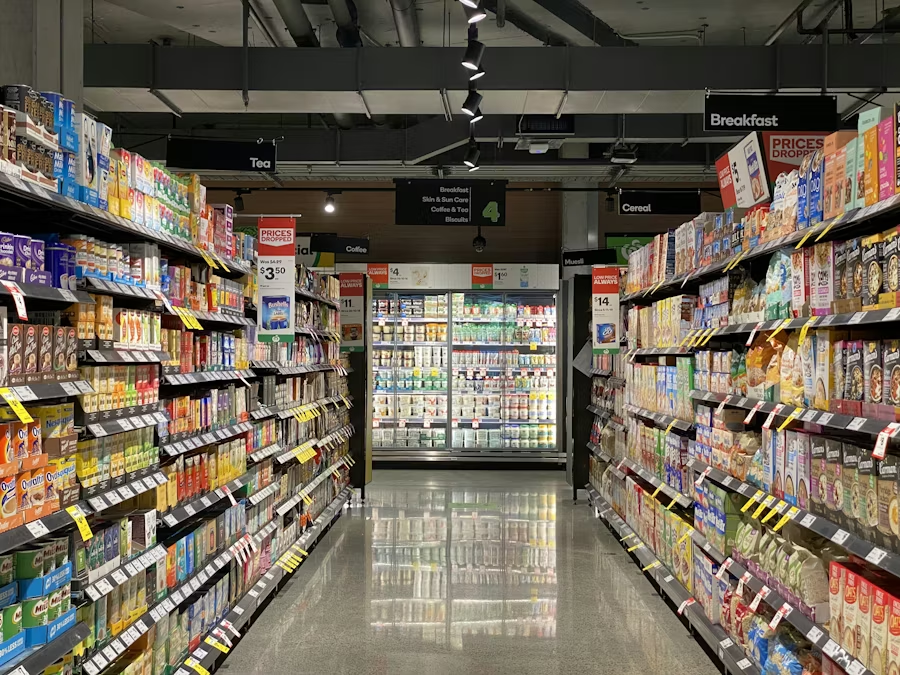
Human: Great observation! The primary goal of large chain supermarkets is to make a profit, not to make it easier for people to access healthy food, and ultra-processed foods are generally more profitable than fresh and minimally processed foods. To the question as to why ultra-processed foods are cheaper, this is even more nuanced and complex, but in part it’s due, at least in the context of the United States, with the large government subsidies for commodity crops like corn and soy, both of which are key ingredients in most of ultra-processed food that you see before you.
Now at the check-out.
Alien: And why are the ultra-processed foods more prominently displayed than the healthy food? For example, here at the check-out, we are surrounded by really tasty looking chocolate bars and candy, some of which seem to be shaped like some of my friends back home.
Human: Another great question! This comes back to supermarkets above all else being motivated by profit. Large multi-national corporations that produce ultra-processed foods are known to pay supermarkets a lot of money to have their products displayed in places research suggest make consumers more likely to buy them. It’s yet another reason I like to spend as little time as possible in supermarkets.
Back at the human’s house, watching sport on TV.
Alien: Why are most of the commercials promoting ultra-processed food and alcohol, which I’ve heard is also really bad for you? Where are the ads for fresh fruit and vegetables?
Human: It’s kind of simple. Advertising such as this is expensive and multi-national food and alcohol companies have a lot of money to spend on it, at least compared to provincial public health departments. And as much as people hate to admit it, their purchasing behaviours are heavily influenced by the ads they see, whether on TV or other forms of media or social media. One thing that is especially infuriating is that the Federal Government here in Canada was going to pass legislation to limit advertising of foods high in sodium, added sugar and saturated fats to kids, but this was curtailed at the last minute due to efforts of lobbyists representing the interests of “Big Food”, who were worried about the impact of the legislation on their bottom line.
Alien: You mean that government acted to protect the profits of corporations over the health of children? That’s outrageous!! That definitely doesn’t happen on the planet I’m from.
Human: It is really sad. For far too long large multi-national corporations have had way too much influence on public health and environmental policy – it’s one of the reasons I can, on occasion, be so damned cynical!
Alien: It seems my last question and comment was a little triggering for you, sorry. Before I get back to my spaceship, you said earlier that you spend as little time as possible in supermarkets. Where then do you go to access all the food your need?
Firstly, there is no need to apologise. I’m grateful for people like you who take an interest in these issues and are willing to lend an ear for my rants. Now to the question of where I get most of my food. Living in Victoria, I really am spoiled for choice when it comes to accessing most of what I need for a healthy diet without relying too much on supermarkets. Some of places I go to access my food include;
Zero Waste Emporium in downtown Victoria. While the primary purpose of this store is to help people reduce their reliance on single use plastics, it also allows them to grab pretty all the food they need, much of which is locally sourced, in an environment pretty much devoid of brightly packaged ultra-processed foods. That the store only takes up the equivalent of two supermarket aisles serves as a reminder of the extreme over-abundance of products in supermarkets.
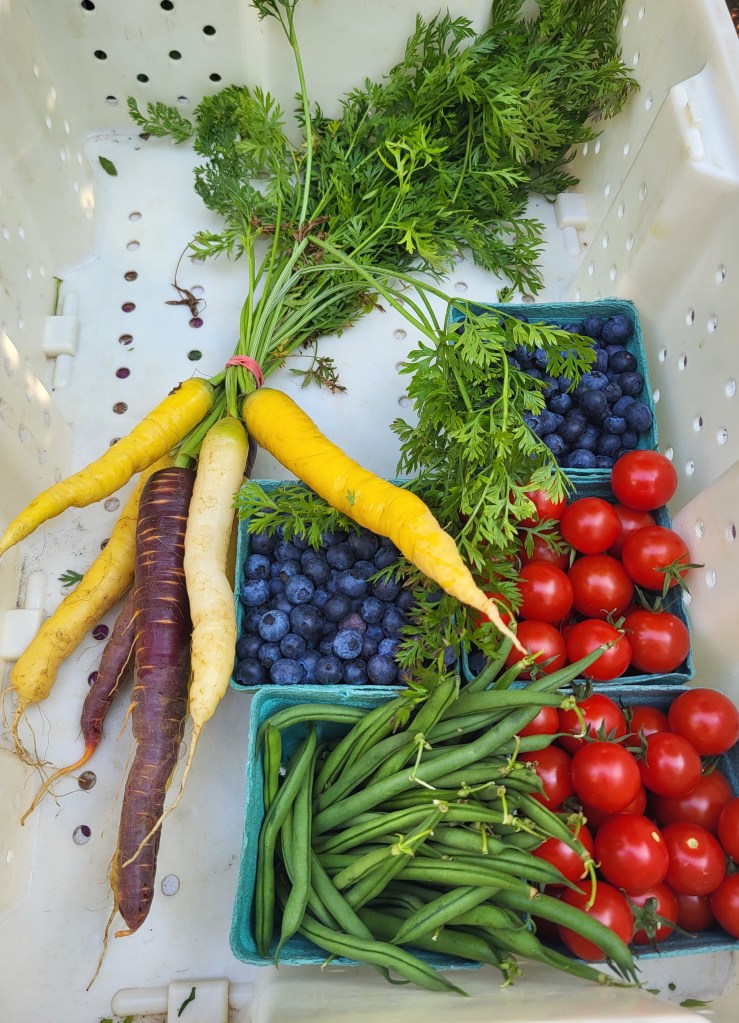
Between April and October, I go at least once a week to one of the many farmers markets in the Greater Victoria area. In addition to farm fresh eggs and locally produced fruit and vegetables, I can also access other staple items in my diet, including bread, cheese and honey. One of the things I really love about farmers markets is the opportunity to have a conversation with the people who grow and produce the food.
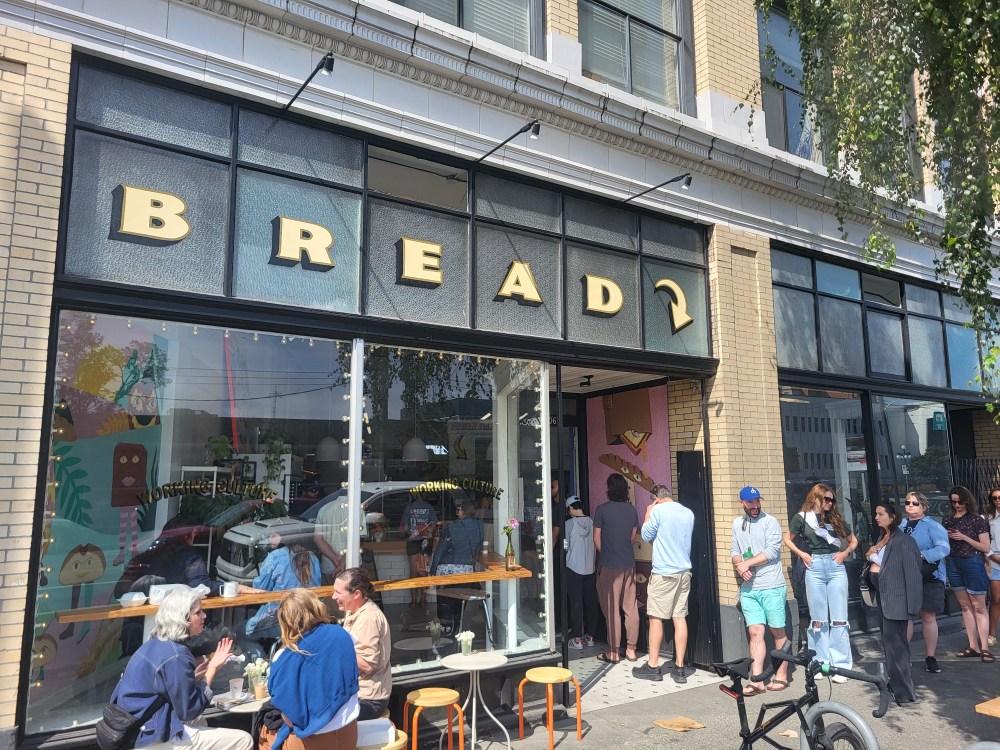
Another option are local specialty shops, grocers and delis. Some of my real favourites here in town are Working Culture Bread (promise me you will try their cinnamon buns when your next in town), Fantastico Bar and Deli, Dan’s farm and Country Market and The Local General Store, which I only discovered last week but will definitely be heading back to again soon.
Another option I haven’t yet taken advantage of is the South Island FarmHub, which allows people to order directly from those that produce the food, and have it delivered directly to their door.
Alien: OK, just one last question then. If there are so many great options for accessing good quality, locally produced, tasty and healthy food, why do people seemingly choose to mostly go to supermarkets rather than avail of these other options?
Human: That’s the million dollar question. I think it comes down to cost and convenience. Through economies of scale, supermarkets can afford to sell stuff much cheaper than their smaller competitors, and given the high cost of living, it’s completely understandable that people would choose things that are cheaper. And secondly, it’s much more convenient to go to just the one place to get all that you need rather commuting all over town. While peoples preference for the more convenient option is understandable, as you and I both know, “more convenient” rarely aligns well with what is best for their health, or the environment. Transportation is another really good example this – maybe we can talk more about this when you are next in town?
Alien: That would be great, thank you! I really must run. Before I go, could you recommend any books/movies or indeed any experts in this area that I should follow?
Human: Definitely. For movies, check-out Food Inc. 1 and Food Inc. 2. Books – just a couple to get you started. In Defense of Food by Michael Pollan and Food Politics by Mario Nestle. And finally, a few people to follow: Jessica Knurick, Corinna Hawkes and Tim Lang.
Alien: Thank you! I will definitely follow up on these. I’m really looking forward to our conversation next month on active travel. And don’t give up hope. As you just highlighted, there are lots of very smart people working to make positive changes to the food system, one that makes it easier for more people to access the food they need to live a long, healthy life here on earth.
Human: Thanks mate. Safe travels back. I’ve prepared you some overnight oats for your journey home. I hope you like them.
 Eat, travel, run